

Luofushan to Nankunshan Loop
Published: August 25, 2026
Last ridden and road conditions checked: April 2026
- Distance
- 94.5 km
- Surface
- Pavement
- Duration
- 5–6 hours
- Difficulty
- Moderate
- Elevation
- 1124.0 米
The Ride
Starting at the foot of Luofushan, this 165-kilometer road route heads deep into the mountains of Nankunshan before looping back through quiet villages and a winding riverside road.
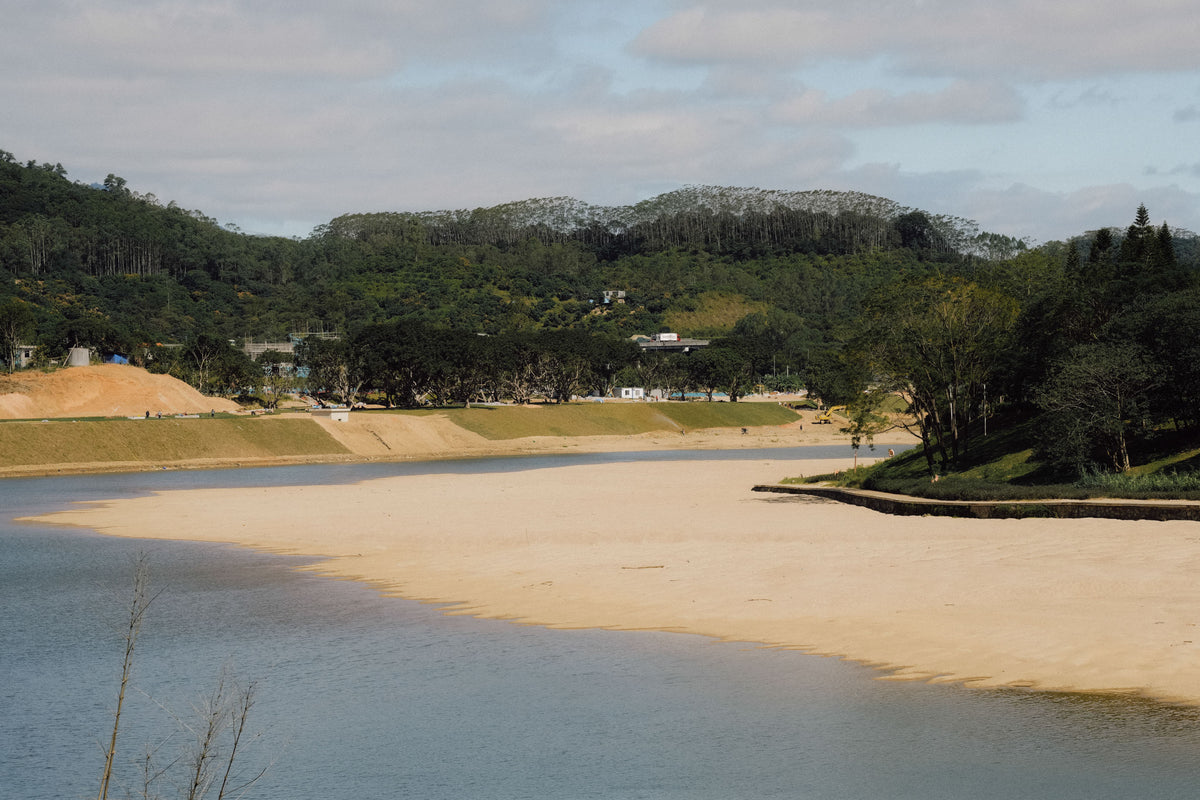
From the Luofushan Scenic Area, the route passes through Henghe, Mazha and Yonghan before reaching one of Nankunshan’s roadside landmarks, locally referred to simply as “The Big Rock.” From there, we turn back toward Changtan Village and follow the river south before reconnecting with the road through Mazha and returning to the start.
Nankunshan is one of the better-known riding areas among cyclists in Guangdong. The mountains are crossed by a network of roads that can be linked into everything from shorter climbing rides to long all-day loops.
This particular route does not have a single steep signature climb. Instead, it is made up of constant rolling hills. None of the individual efforts feels especially intimidating, but over 165 kilometers—about 103 miles—they add up.
It is a long day on the bike, and pacing matters.


We start from the Luofushan Scenic Area Tourism & Culture Plaza.
For riders driving in from Shenzhen, Guangzhou or elsewhere in the Pearl River Delta, it works well as a meeting point. When we last rode the route, the parking area had plenty of space and parking was free. There are also clean public restrooms nearby, which makes getting changed and preparing bikes relatively easy.
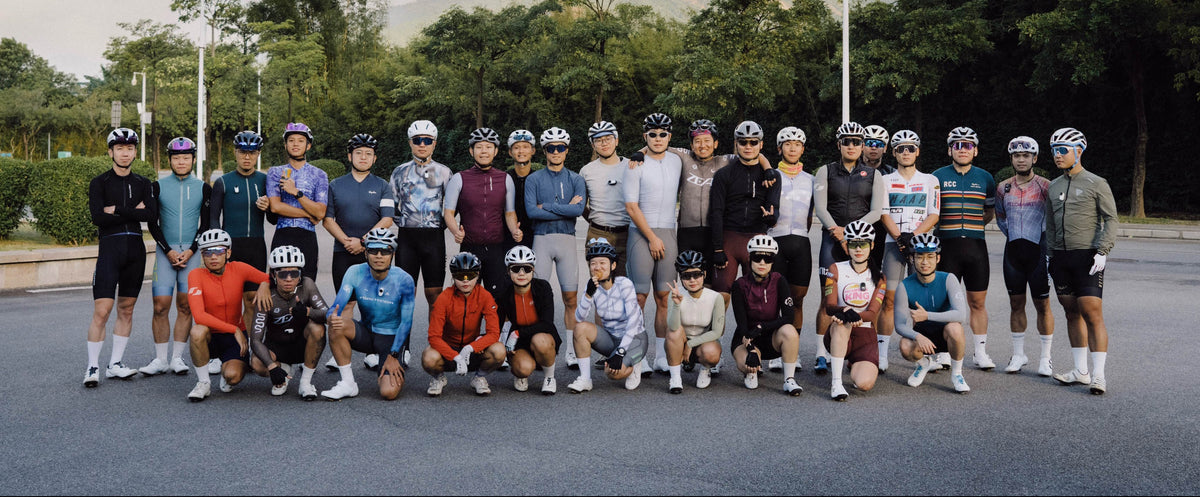
Our usual schedule is to meet around 7:30 AM and roll out at approximately 8:00 AM. That gives everyone enough time to unload bikes, check equipment and organize groups without requiring an extremely early start.
For riders coming from farther away, another option is to stay the night before in Changning, the town near Luofushan. On a ride this long, arriving rested is often more valuable than saving one night in a hotel.
Get Directions

The Route
Leaving Luofushan, the route initially heads toward Henghe, then continues through Mazha and Yonghan before gradually entering the Nankunshan mountains.
There are no long sustained climbs, but the road rarely stays completely flat. Short climbs, rollers and small elevation changes slowly accumulate throughout the day. It is tempting to push the pace when everyone is fresh, but there is little benefit in arriving at the mountains already carrying unnecessary fatigue.
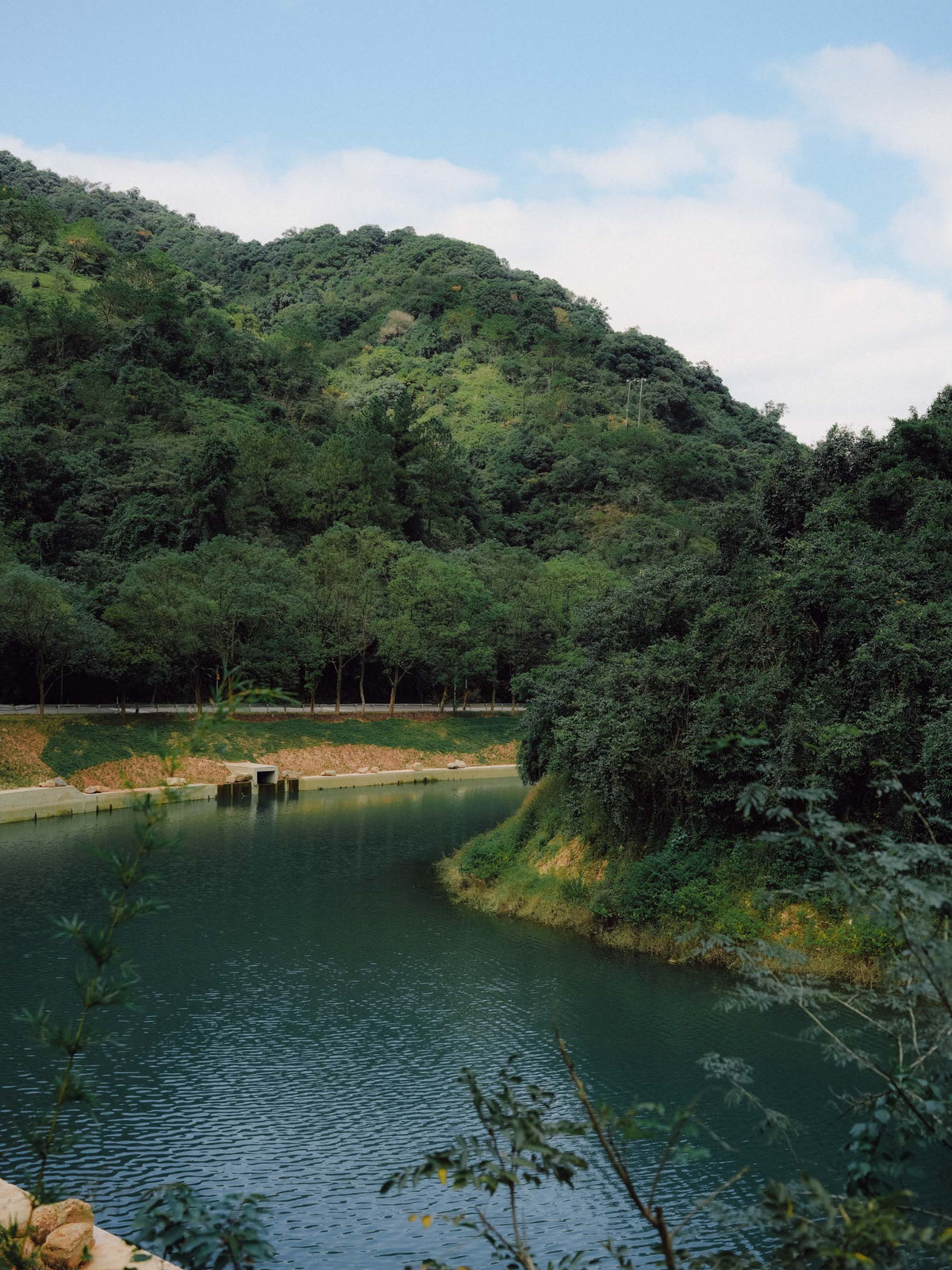
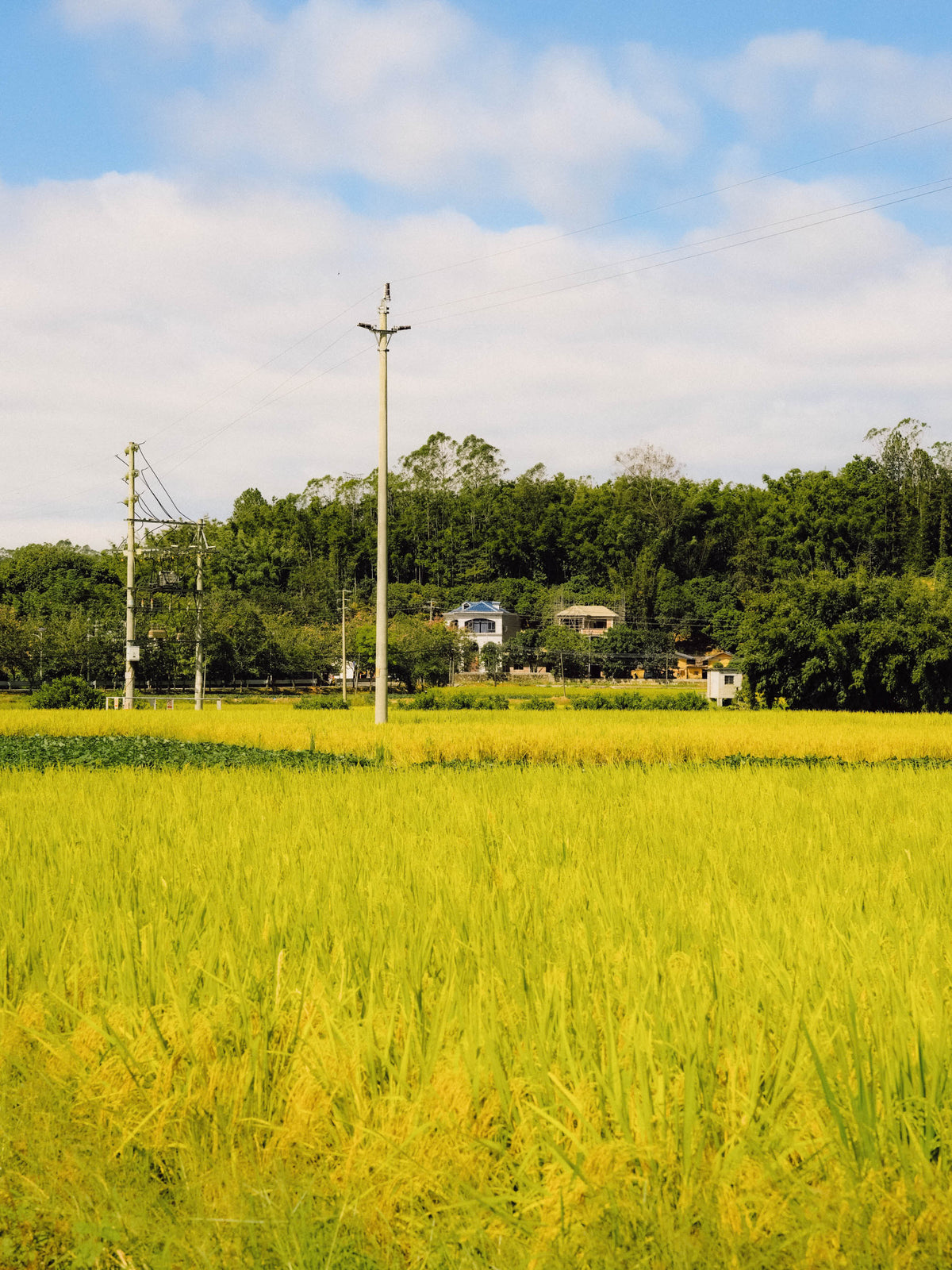
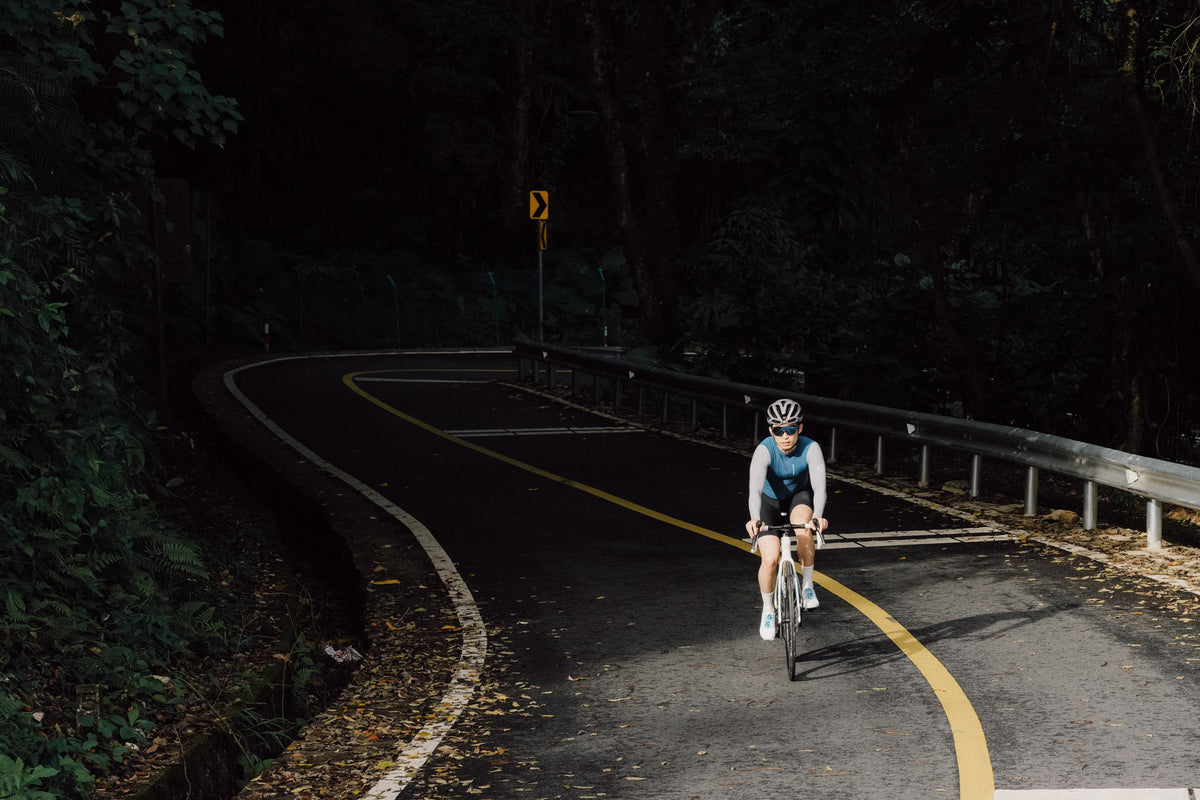
The landscape also changes as you move farther away from Luofushan. At times the road disappears beneath dense tree cover. A few kilometers later it opens into farmland and small villages. Light moves differently through each section, and the air changes with it—from damp forest to rice fields, crops, kitchens and village streets. For us, that is an important part of this route.







 route map


